
Water treatment
Dechlorination

Who this is for
Water utility operators, commissioning contractors and discharge managers
Your operating priority
Plan residual chlorine treatment around the actual receiving environment and release conditions.
Before you specify or buy
Confirm residual chlorine, volume, flow and applicable limits; define verification sampling and treatment controls before any release decision.
Critical Elixirs field work
Mobile dosing equipment for scoped dechlorination duties
Critical Elixirs can deploy automated dosing trailers for suitable dechlorination work. The supplied images show our trailer equipment, site support and water sampling—not a documented chlorine-removal trial. Flow, residual monitoring, control settings and release requirements determine the arrangement.
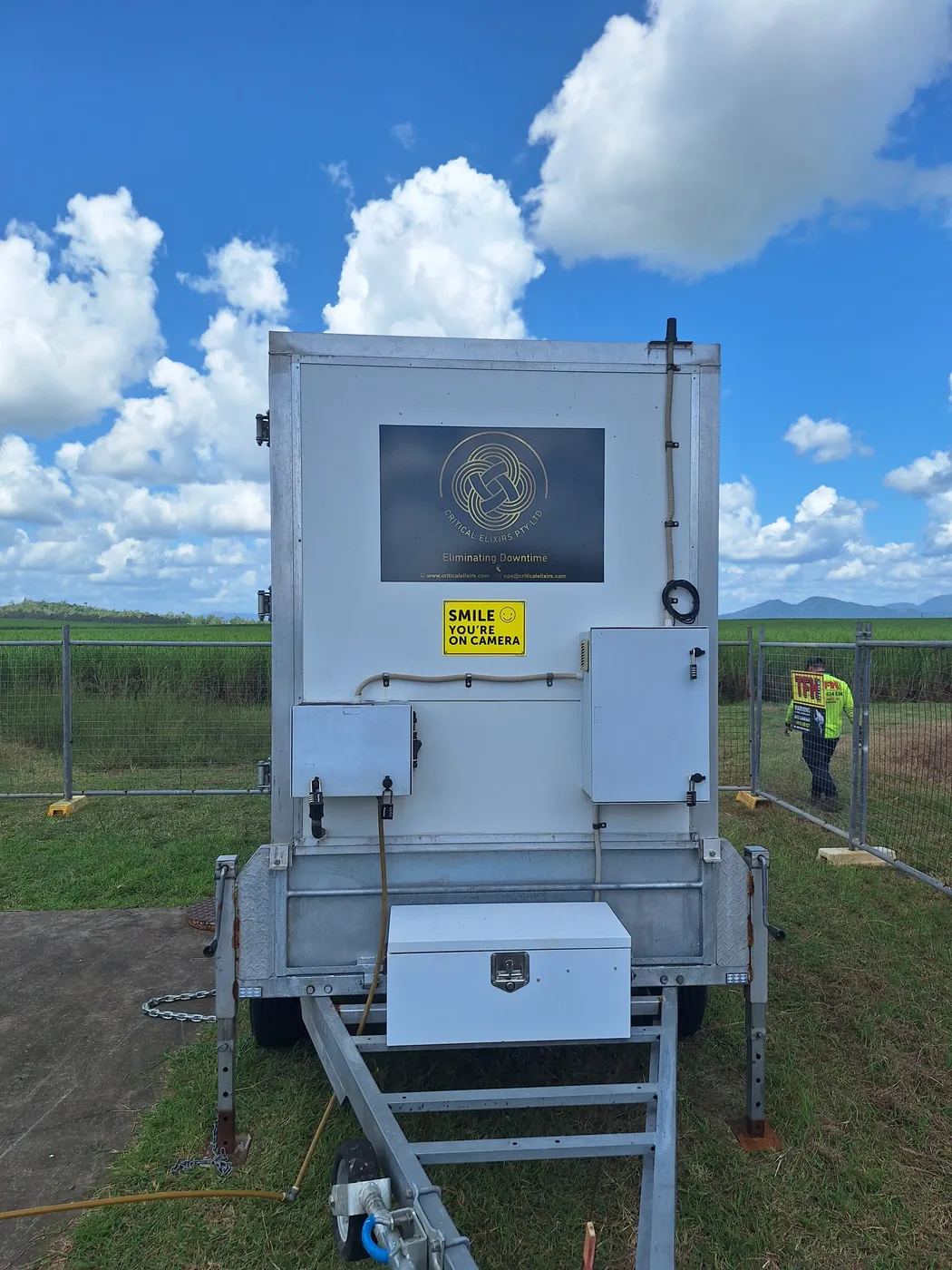
Mobile dosing trailer: enclosed equipment, site connections and a relocatable arrangement. 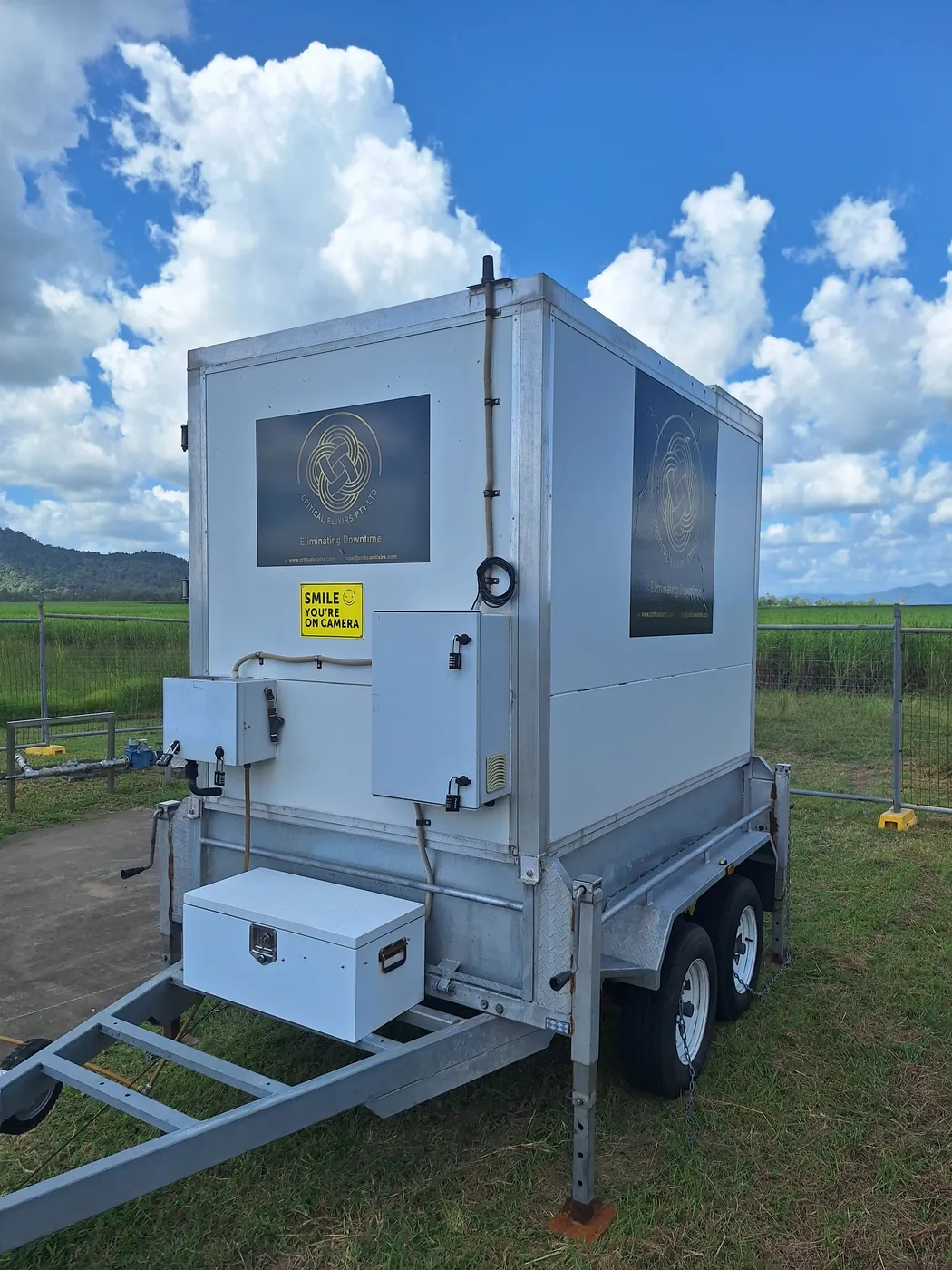
Trailer-mounted dosing equipment deployed beside a field access point. 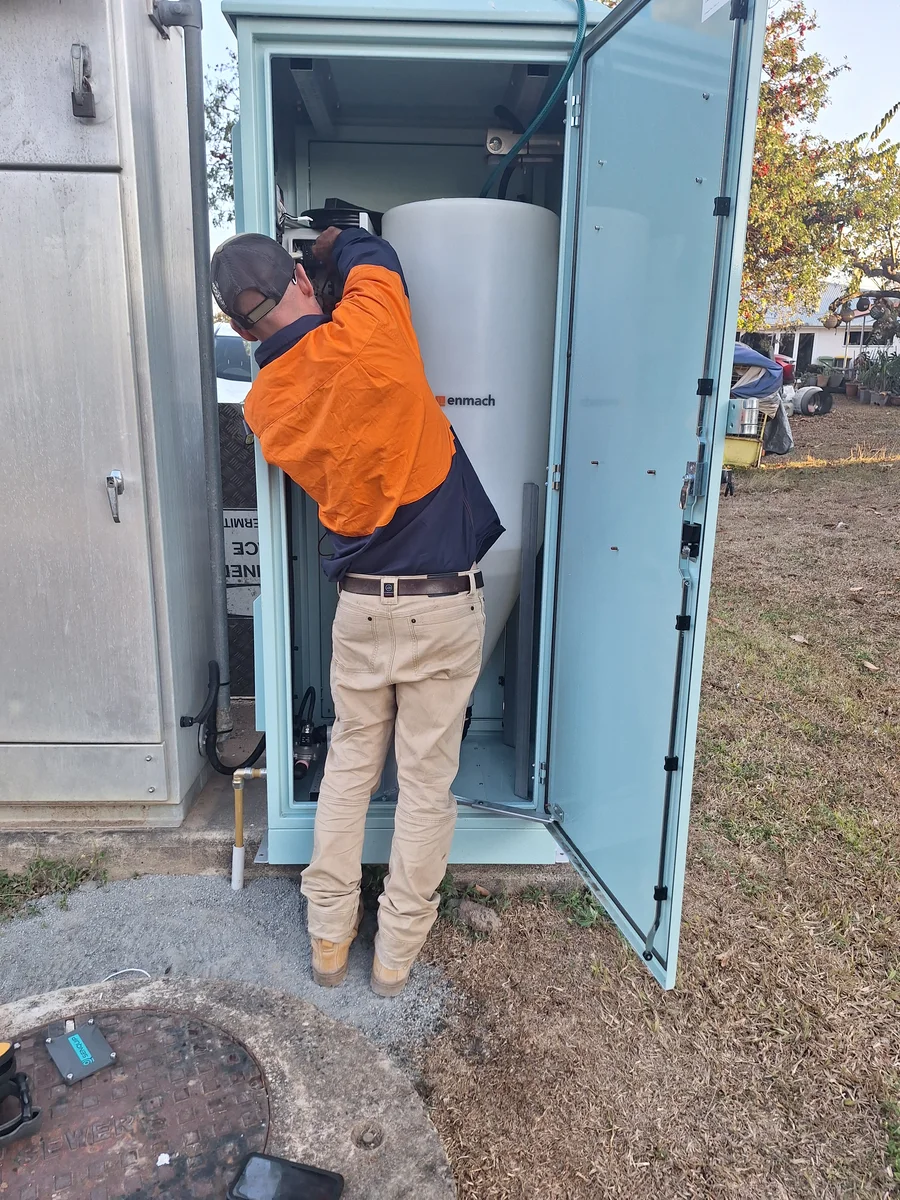
Hands-on field work at a dosing installation. Site procedures, equipment checks and duty-specific settings support ongoing operation. 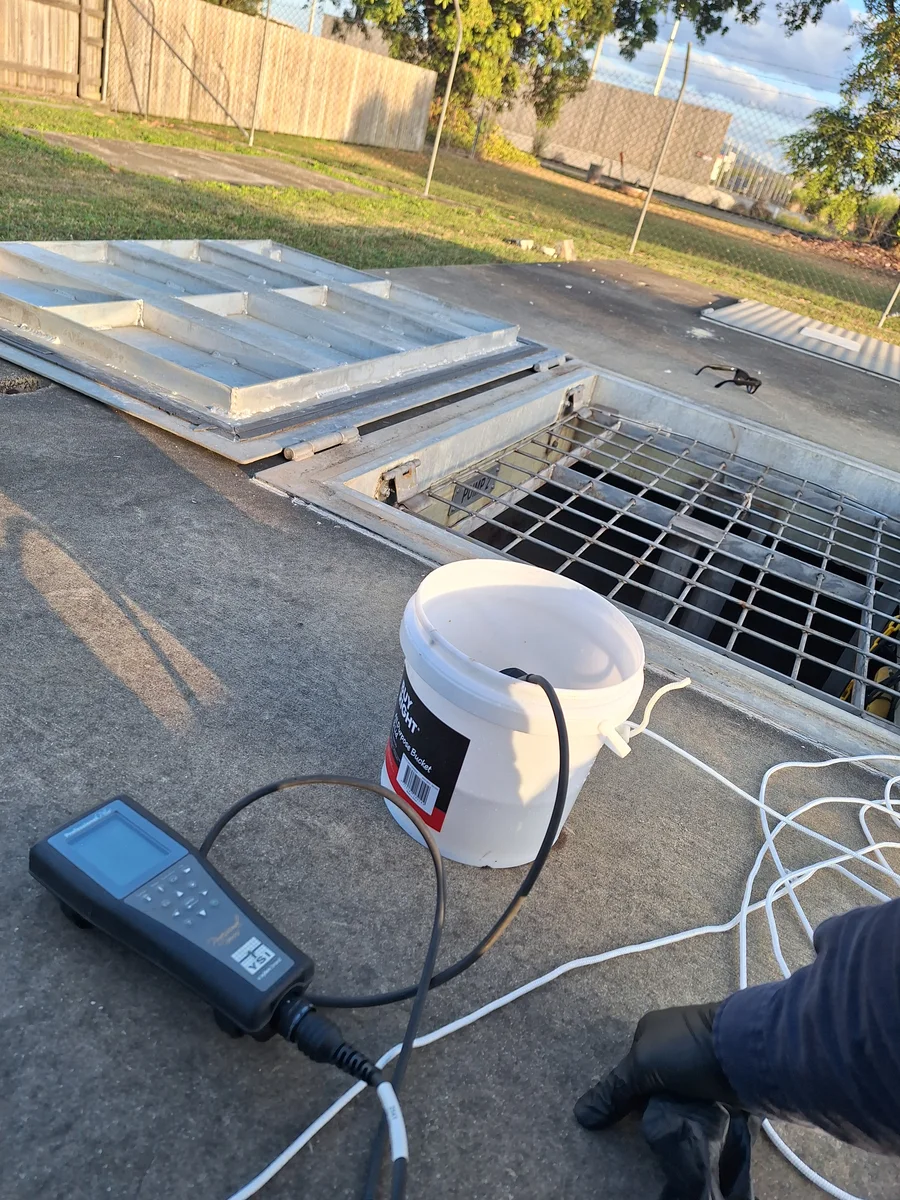
Site sampling and water-quality measurement. Sample location, handling and instrument checks affect interpretation.


What is covered
- Review chlorine residual, flow variation and the intended discharge point.
- Scope flow-paced chemical neutralisation and suitable monitoring points.
- Consider dosing control, mixing, alarms and safe chemical handling.
- Define acceptance criteria and verification sampling against the relevant approval.
What we will ask you
- Residual chlorine data and expected flow range
- Discharge approval requirements and target residual
- Dosing point, mixing conditions and existing control equipment
This page is information only. Pricing, availability and specifications are provided through an enquiry.
Straight answers
Frequently asked questions
- What must a commissioning contractor check before discharging chlorinated water?
- Establish water volume and flow, the chlorine residual and the applicable receiving-water and release conditions. Scope treatment and verification sampling before discharge. Selecting a dechlorination chemical or observing no chlorine smell does not establish that release is permitted.
- What target residual should the system achieve?
- The target is determined by the applicable approval and discharge requirements, not a universal value.
- Does flow-paced dosing ensure the target is met?
- Flow pacing can support control, but verification depends on mixing, residual measurement, changing conditions and site operation.