
Sewer monitoring
H₂S monitoring & dosing performance optimisation

Who this is for
Wastewater operations managers and sewer process engineers
Your operating priority
Distinguish real H₂S treatment performance from changes in flow, weather or sensor conditions, without tying the review to a chemical supplier.
Before you specify or buy
Agree baseline and trial windows, monitoring locations, calibration checks and dose records before interpreting a treatment comparison. The existing chemistry may be supplied by Critical Elixirs or another provider.
Critical Elixirs field work
H₂S assessment starts with work at the access point
Gas measurements, water-quality checks, sampling and equipment inspection support a monitoring programme. The methyl mercaptan instrument shown measures a different compound from H₂S; spot readings are not a controlled treatment comparison.
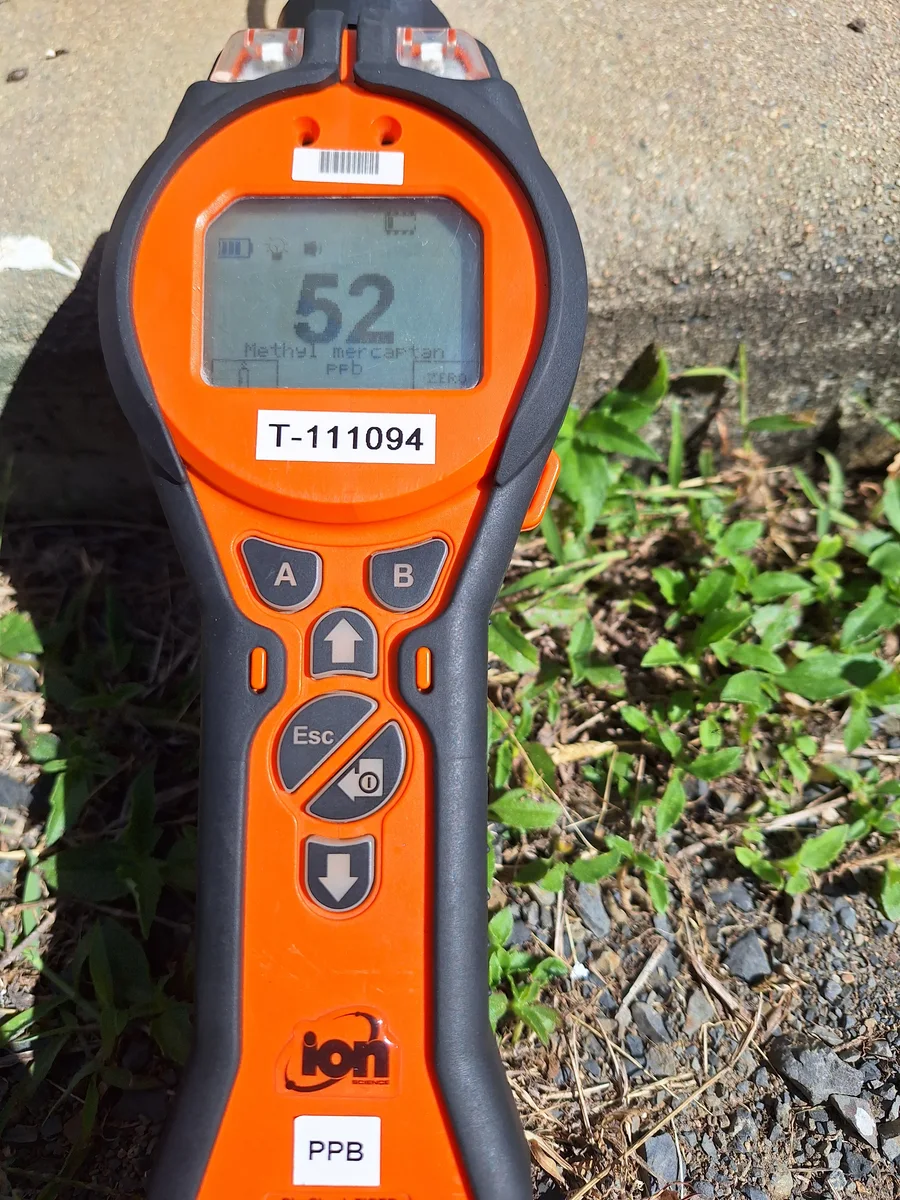
Methyl mercaptan field measurement. A spot reading is not a worker-exposure assessment or a treatment comparison. 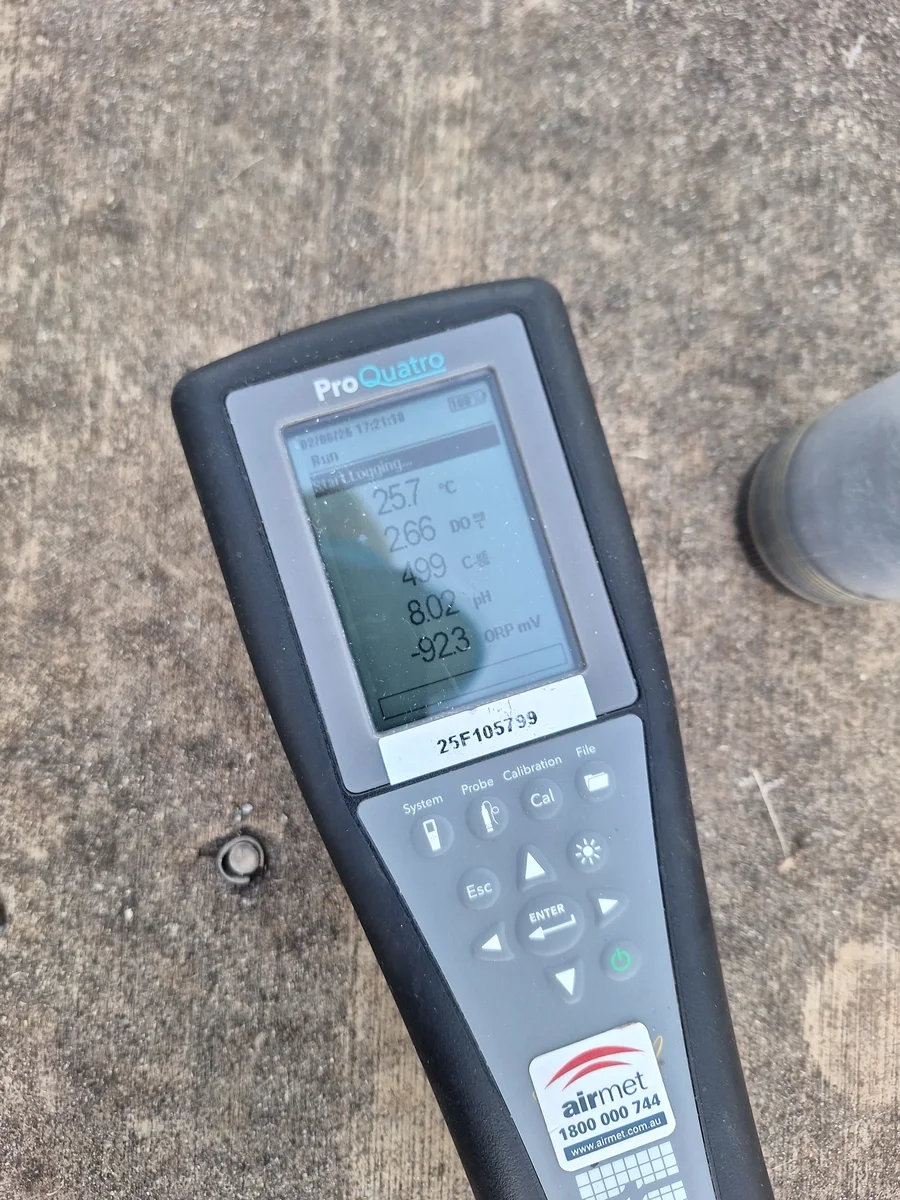
pH and oxidation-reduction potential (ORP) measurements help interpret water conditions alongside sampling and calibration records. 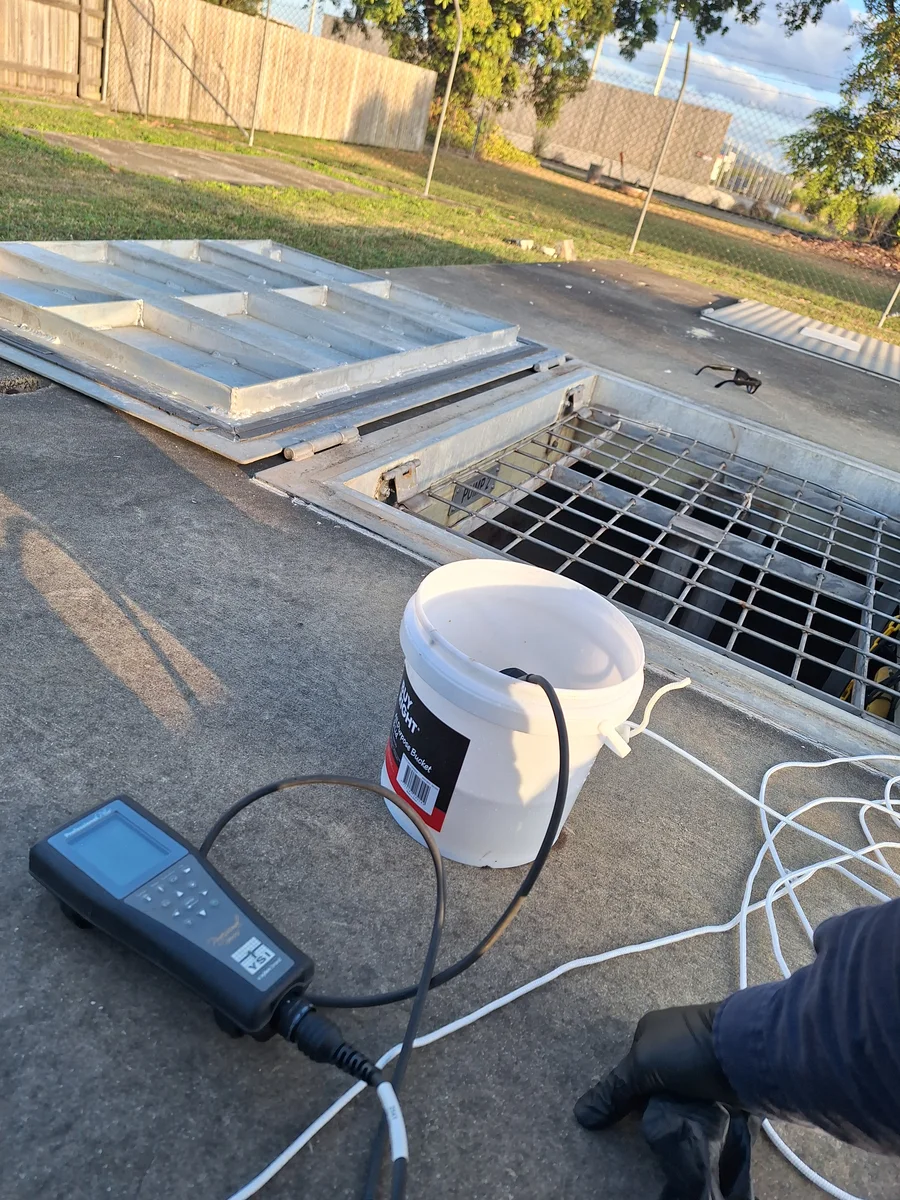
Site sampling and water-quality measurement. Sample location, handling and instrument checks affect interpretation. 
A field dosing installation. Equipment configuration and operating settings are confirmed against the duty. 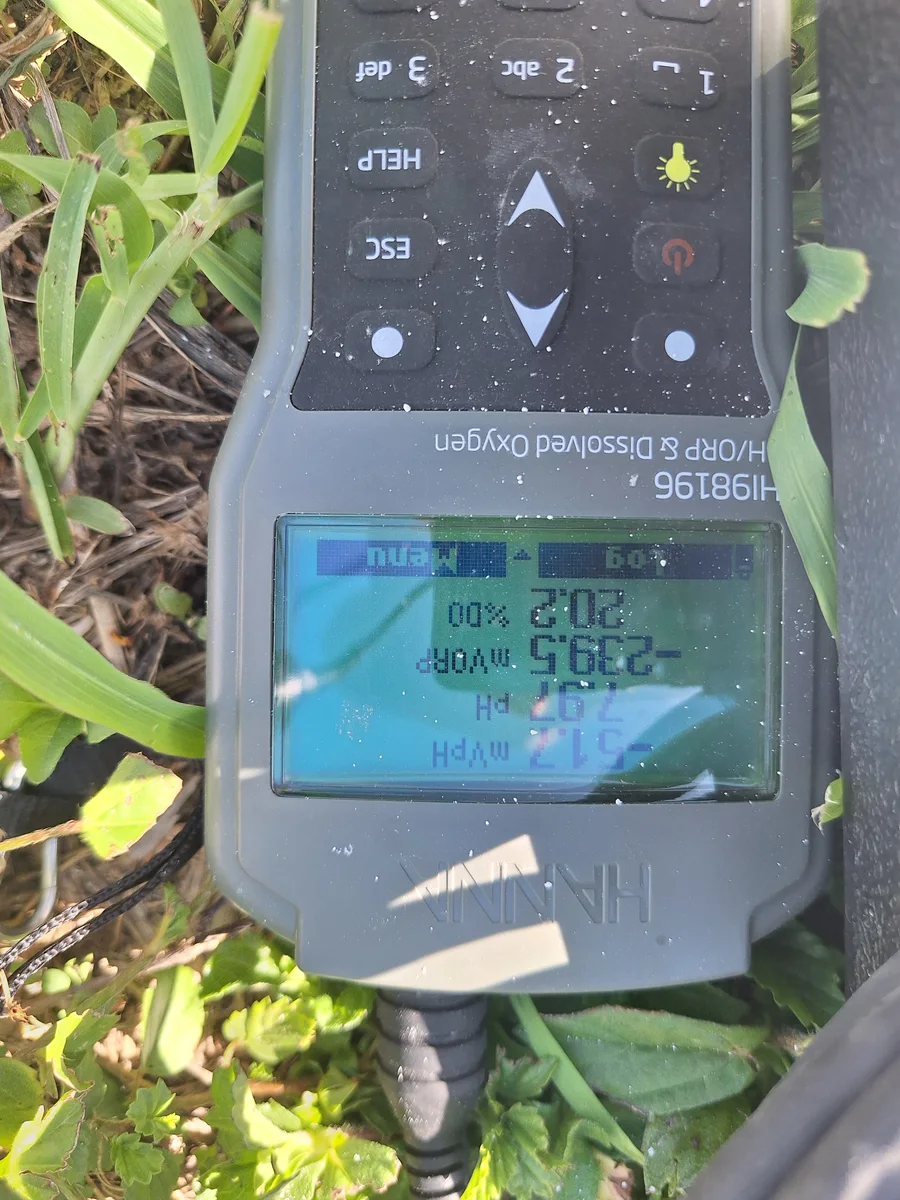
Field pH, ORP and dissolved-oxygen measurements. ORP is not a direct SRB count or proof of sulphide removal. 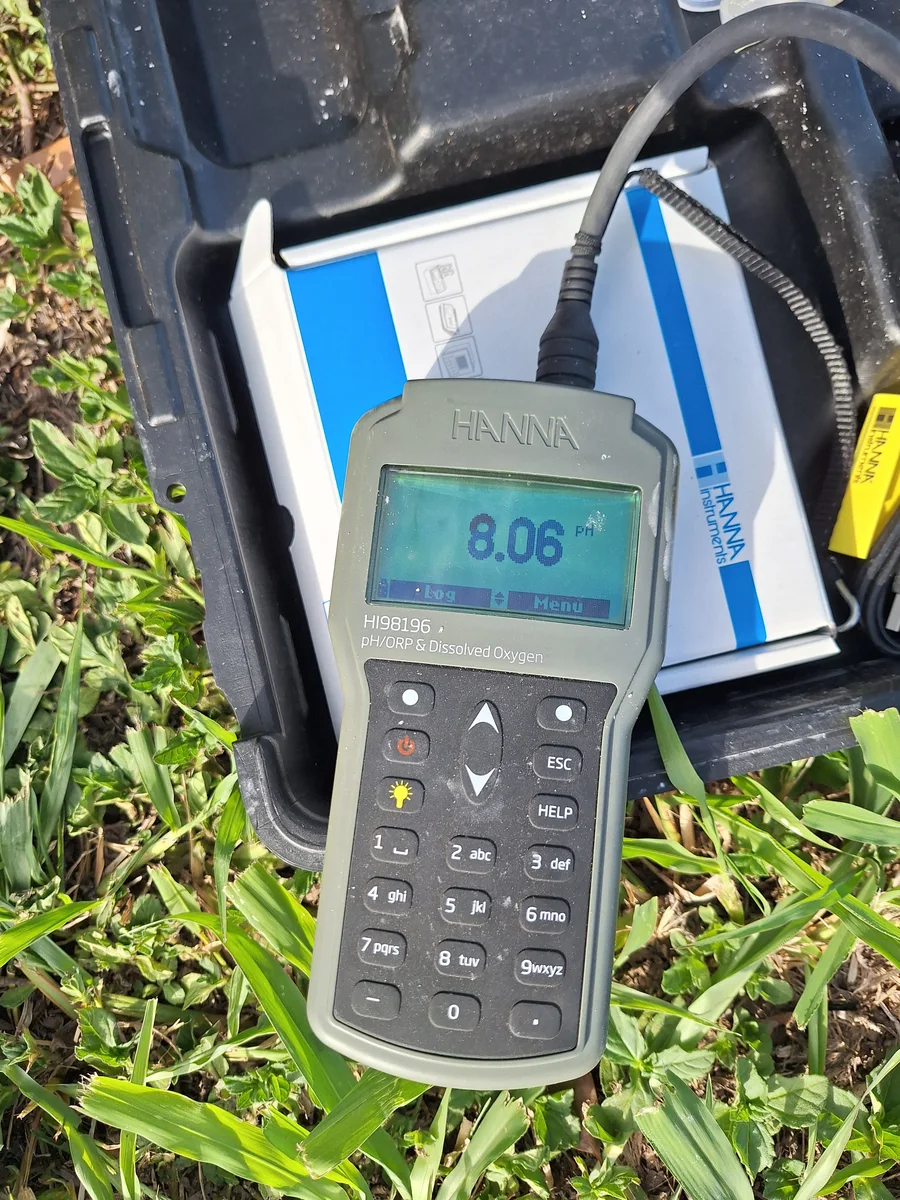
Field pH measurement. Calibration, sample conditions and treatment objectives are needed to interpret the reading.


What is covered
- Review peaks and percentiles alongside ORP, pH, oxygen and residual data where available.
- Include complaints or operational observations where relevant to the assessment.
- Relate monitoring locations and times to network conditions and actual dose delivery; the chemical supplier does not determine whether the service can be scoped.
- Agree baseline, monitoring period and reporting basis before interpreting changes.
What we will ask you
- Monitoring records and sensor locations
- Dose points, settings and network operating conditions
- Relevant complaints, maintenance events and intended measures
This page is information only. Pricing, availability and specifications are provided through an enquiry.
Straight answers
Frequently asked questions
- How do operators know whether H2S chemical dosing is working?
- Agree baseline and trial measurements at relevant locations, verify delivered dose and compare similar network conditions and travel times. Review downstream response and operating effort against defined treatment objectives. A single low gas reading does not prove sustained performance, complete sulphide removal or worker exposure compliance.
- Which measurements may be reviewed?
- Depending on the site, the review can consider H₂S peaks and percentiles, ORP, pH, oxygen, residuals and relevant complaint records.
- Can you review performance with chemistry from another supplier?
- Yes. Performance optimisation and reporting can be scoped independently of chemical supply, using agreed monitoring, network and dosing data.
- Does a process gas logger establish worker exposure compliance?
- No. Process monitoring is not personal exposure monitoring and does not establish occupational exposure compliance.
H₂S, methyl mercaptan, pH, ORP and SRB testing
H₂S and methyl mercaptan are different sulphur compounds; an instrument reading for one must not be presented as a result for the other. pH and oxidation-reduction potential (ORP) provide water-condition context alongside appropriate gas and liquid sampling. Where sulphate-reducing bacteria (SRB) testing is included in the scope, agree the sample method and laboratory interpretation. ORP or a photograph alone does not identify or quantify SRB. Conductivity and total dissolved solids (TDS) information can add water-quality context, but a conductivity-derived TDS estimate is not a direct H₂S or SRB test.
Compare dosing performance using an agreed baseline, monitoring locations, operating conditions and calibrated instruments. The photographs below document field activity, not a before-and-after treatment result or proof of exposure compliance.